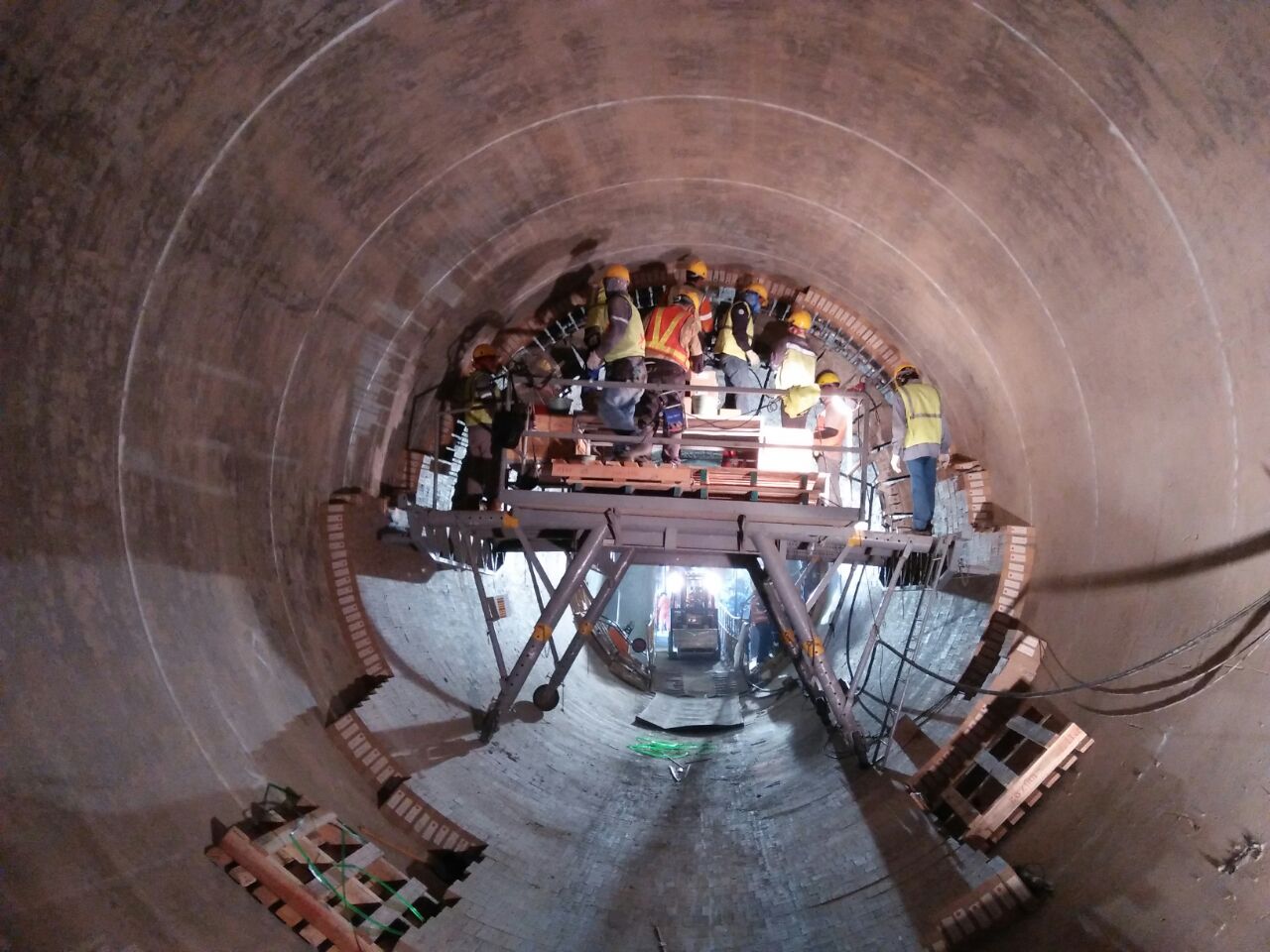
Pantarhei offers a full range of services, tied in closely with our world-leading refractory product line. Selecting and delivering the right solutions for our customers is paramount.
Often called refractory concretes, castables and gun mixes are furnished dry to be mixed with water before installation. Usually cast and vibrated in the same manner as ordinary concrete, castables can also be installed by trowelling, pumping or occasionally ramming.
Often called refractory concretes, castables and gun mixes are furnished dry to be mixed with water before installation. Usually cast and vibrated in the same manner as ordinary concrete, castables can also be installed by trowelling, pumping or occasionally ramming.
Often called refractory concretes, castables and gun mixes are furnished dry to be mixed with water before installation. Usually cast and vibrated in the same manner as ordinary concrete, castables can also be installed by trowelling, pumping or occasionally ramming.
Wherever furnace construction and operating conditions permit, refractory linings are typically constructed with brick of standard sizes and shapes. Standard materials cost less than larger, more intricate shapes and frequently are more serviceable. They are also more accessible, in that they are likely to be routinely stocked by the manufacturer.
Refractory coating is applied to protect high-temperature equipment from abrasion, chemical attack, and thermal damage. This protective layer improves operational efficiency, extends service life, and reduces maintenance requirements across furnaces, boilers, and other industrial systems.
Heat insulation systems are designed to minimize heat loss, improve energy efficiency, and maintain stable operating temperatures. Proper insulation enhances equipment performance, reduces energy consumption, and provides a safer working environment by lowering external surface temperatures.
Thermographic inspection utilizes infrared imaging technology to detect temperature variations in industrial equipment without interrupting operations. This non-destructive inspection method helps identify heat loss, insulation failures, refractory damage, and potential equipment issues before they develop into costly failures.
API 936 inspection ensures refractory materials and installation procedures comply with internationally recognized industry standards. The inspection covers material verification, installation quality, curing, drying, and final assessment to ensure reliable refractory performance and long-term operational safety.